Where It Stops Short
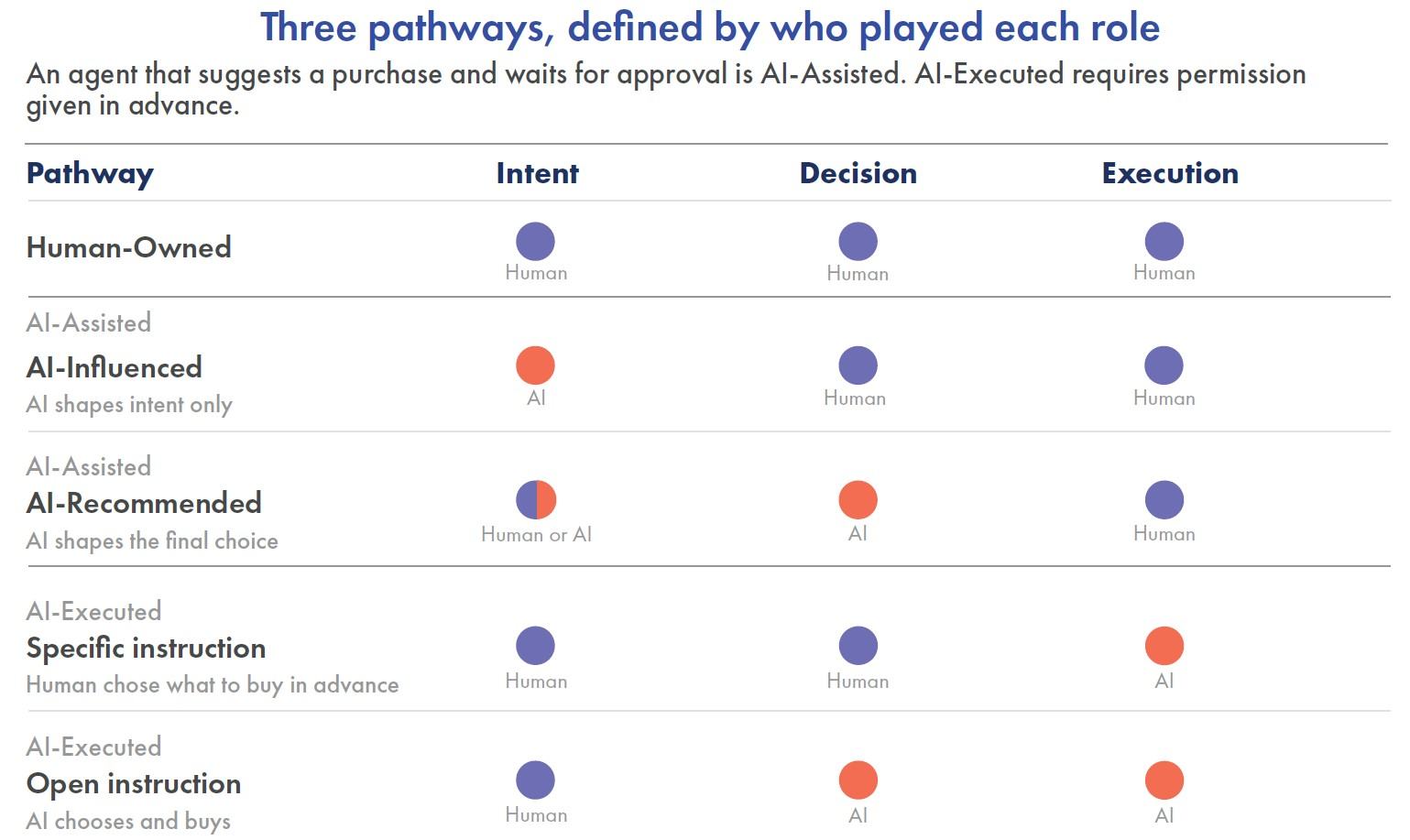
Look closely at the evidence the blueprint says is available today: referral and citation data, UTM tags and referrers, affiliate links, seller purchase records, agent transaction records, holdout tests and shopper surveys. It falls into two camps. Either a deterministic trail survives from the AI to the sale, or the effect is inferred in aggregate across many shoppers.
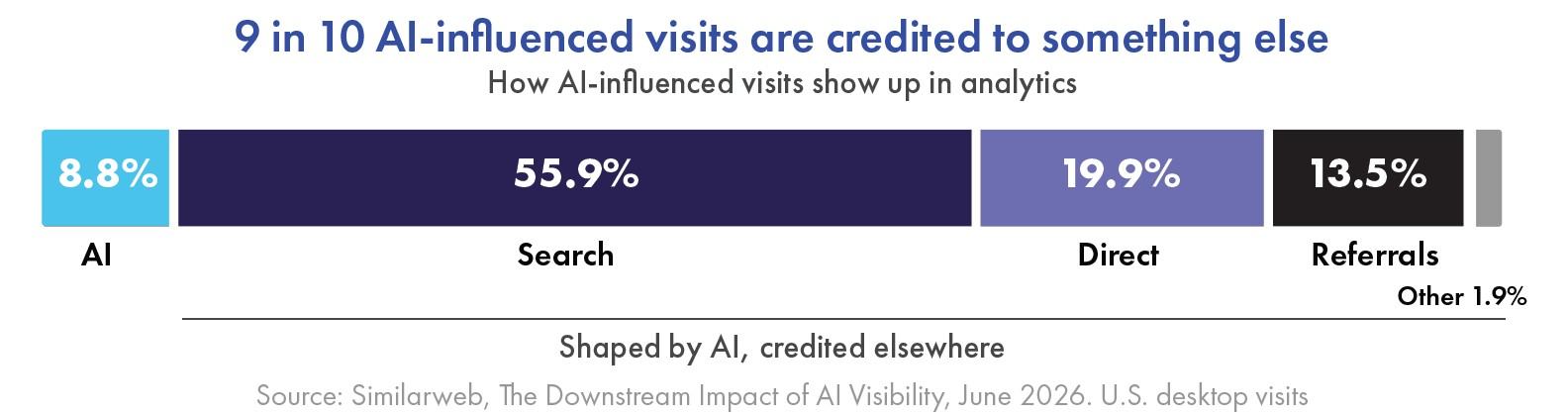
Everything in between is filed under "credit recognised but not yet measurable". That includes the scenario the blueprint itself uses to illustrate the problem: a shopper gets an AI recommendation, comes back days later through a search, and buys. In the blueprint's words, those later searches and typed-in URLs leave no trail.
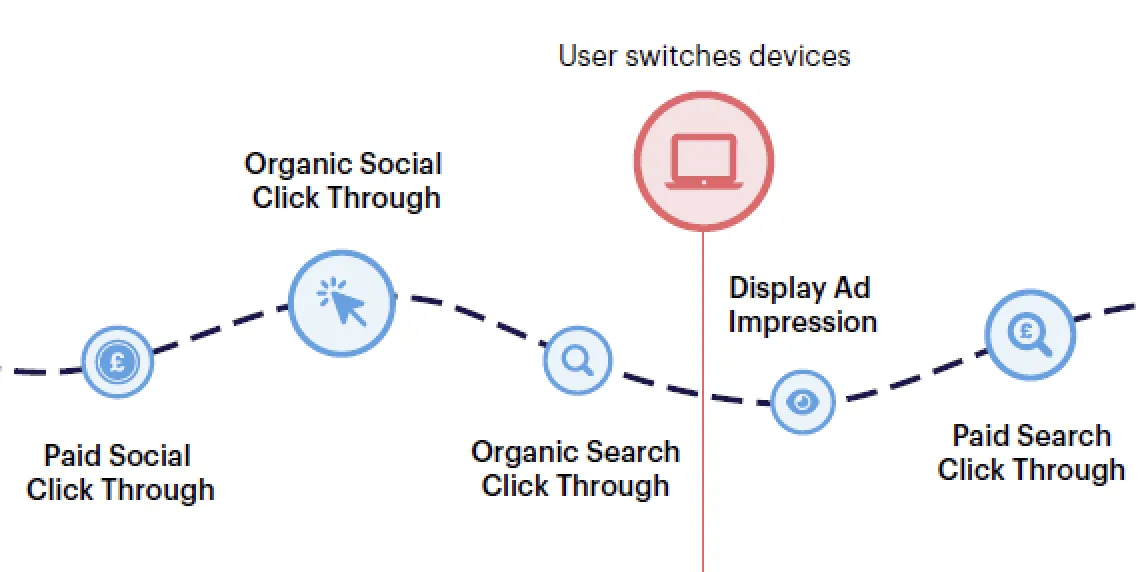
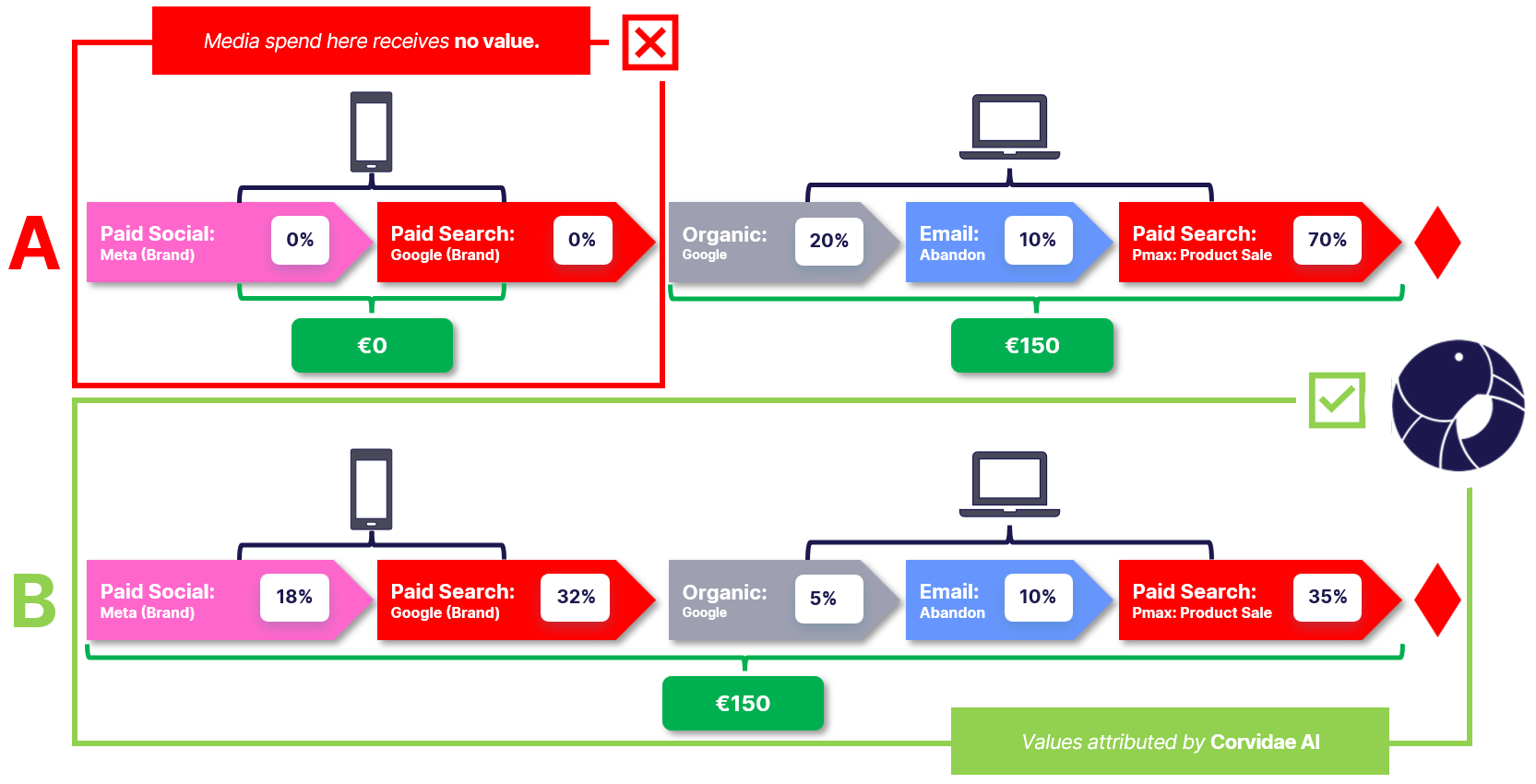
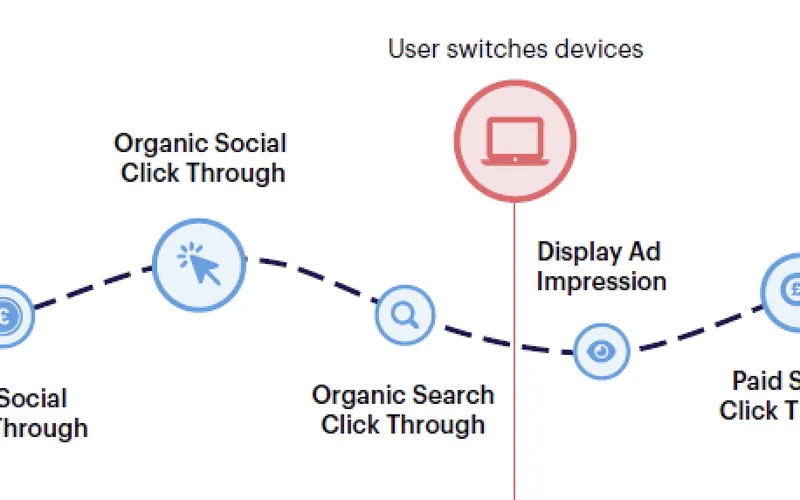
That is only true if you assume the trail has to be carried by an identifier. A cookie that expired, a consent banner that was rejected, a switch from phone to laptop, a return visit three days later through Google: in deterministic tracking, each of these breaks the chain, and the earlier touchpoint is lost. But the earlier visit still happened on your site. The data is still there. It just has not been connected.
The blueprint is right that the industry should not build today's measurement limits into its categories. It should not build them into its evidence standards either. By treating a broken identifier as a missing signal, it accepts the deterministic model's limits as the limits of what can be known.
 By